

Get your bike ready to hit the road again
When our motorcycle has been idle for an extended period of time, it's advisable to perform a series of checks and tune-ups to once again enjoy the pleasure of riding in optimal conditions. Let's review the key points when checking that everything is OK.
The battery
The battery has two fundamental functions: with the engine stopped, it must provide energy to drive the starter motor, which is where the most power is needed. Once the engine is running, the battery acts as an electrical "shock absorber" between the charging system (alternator) and the discharging system (lights, ignition, fuel injection, etc.), allowing all components to access a stable 12V DC current.
A chemical process occurs inside the battery that generates electricity. During this process, the chemical components are transformed into others. When the battery receives charge, this process is reversed, and the battery is ready for use again. However, the process is not perfect, and gradually, a residue is created that is no longer capable of transforming and generating electricity.

The battery is the component most affected by long periods of inactivity. It's important to keep in mind that, in many cases, a motorcycle engine is larger than that of an average car, yet the battery is three times smaller due to the lack of available space. This means it discharges more quickly and lasts less.
Ideally, when we've stopped using the motorcycle for an extended period, we'd have used a battery charger/maintainer , but if we haven't, we probably still have time. We can connect it for 24 hours, allowing it to fully charge before use. It's important to know what type of battery is installed in the motorcycle (conventional, gel, AGM, lithium, etc.) and use an appropriate charger; not all are the same, and they can do more harm than good.

Once charged, we can measure the battery charge with a voltmeter; it should be around 13V.

If after charging it, its value is close to 11V, we may need to replace it. After checking, it's advisable to cover the terminals with dielectric grease to protect them.

The tires
Ideally, a motorcycle left in "hibernation" should be raised on a stand, with both wheels raised off the ground. If this isn't the case, it's advisable to inflate the tires to the recommended pressure (always cold, see your workshop manual) and move the motorcycle back and forth a bit to check that the tires haven't become deformed from being held in the same position for too long under weight. While you're at it, check the tires for wear, ensuring they're not cracked or too dry (the rubber should be spongy).

If in doubt, it's advisable to replace them. Remember, your life is moving at over 100 km/h on 8 square centimeters of rubber. This rubber had better be good...
Brakes
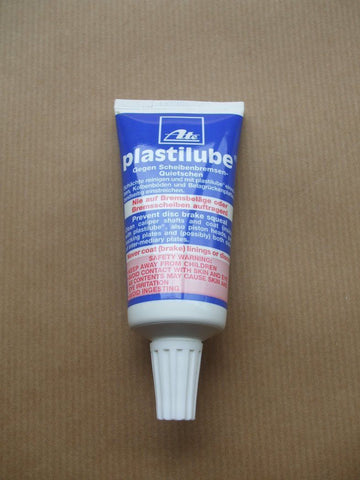
While we're moving the bike manually to check the tires, it's a good idea to check the brakes are working properly. If they squeal, we should remove the pads and use specific brake grease . Not just any grease will do, for important safety reasons.
If you're good at it and have a bleeder, it might be a good time to replace the brake fluid. It should be replaced every two years. When was the last time you changed it?

Fuel
Gasoline stored in the tank degrades over time, and it may eventually become unable to keep the engine running properly. If we have doubts about its quality, we can use a specific additive .

These additives will also help clean the gum deposits that form in the carburetor and fuel injection systems due to inactivity, and we'll fill the tank completely with "fresh" gasoline as soon as we have the opportunity.
General lubrication
It's important to check all of your motorcycle's moving parts (cables, levers, axles, chains, etc.) and lubricate them properly, using a good spray oil or high-performance grease. In addition to improving ride and handling, proper lubrication of moving components protects them from corrosion and dirt.

While lubricating, we will touch all the components within our reach with our hands and check that nothing is loose, broken, or that there are cracked rubber hoses, etc.
Oil change
One of the times when engine oil degrades most is when the motorcycle is stopped, as it absorbs ambient humidity and water, which mixes with the oil inside the engine. In daily use, this water turns into steam when the engine reaches operating temperature and is expelled through the engine vents. If the engine is stopped for a long time, this mixture creates an unrecoverable whitish paste. The most recommended treatment after a period of inactivity is:
- Check the level when cold (just check that there is some oil, it does not need to be at maximum).
- Start the engine and bring it up to operating temperature for about 10 minutes or a short drive. At this point, it's highly recommended to use a "Flush" product mixed with the old oil. This will perform a thorough internal flush, removing more residue than a simple oil change.

- Stop the engine and drain the oil, change the filter (and while you're at it, why not the spark plugs too?) and refill with quality synthetic oil, with the recommended viscosity.
- Restart the engine for ten minutes (a short lap) until it reaches operating temperature and refill if necessary to the level recommended by the manufacturer.
Return to normal
If your motorcycle was in good condition when you stopped it, these simple checks will ensure you can get back on the road safely and enjoy a pleasant and safe experience. Keep in mind that every vehicle is different, so I recommend using common sense when adding any points of interest that are worth checking.
Frank Burguera
1 comment
Soy de los mismos criterios…excelentes consejos .